Read More
You may also like
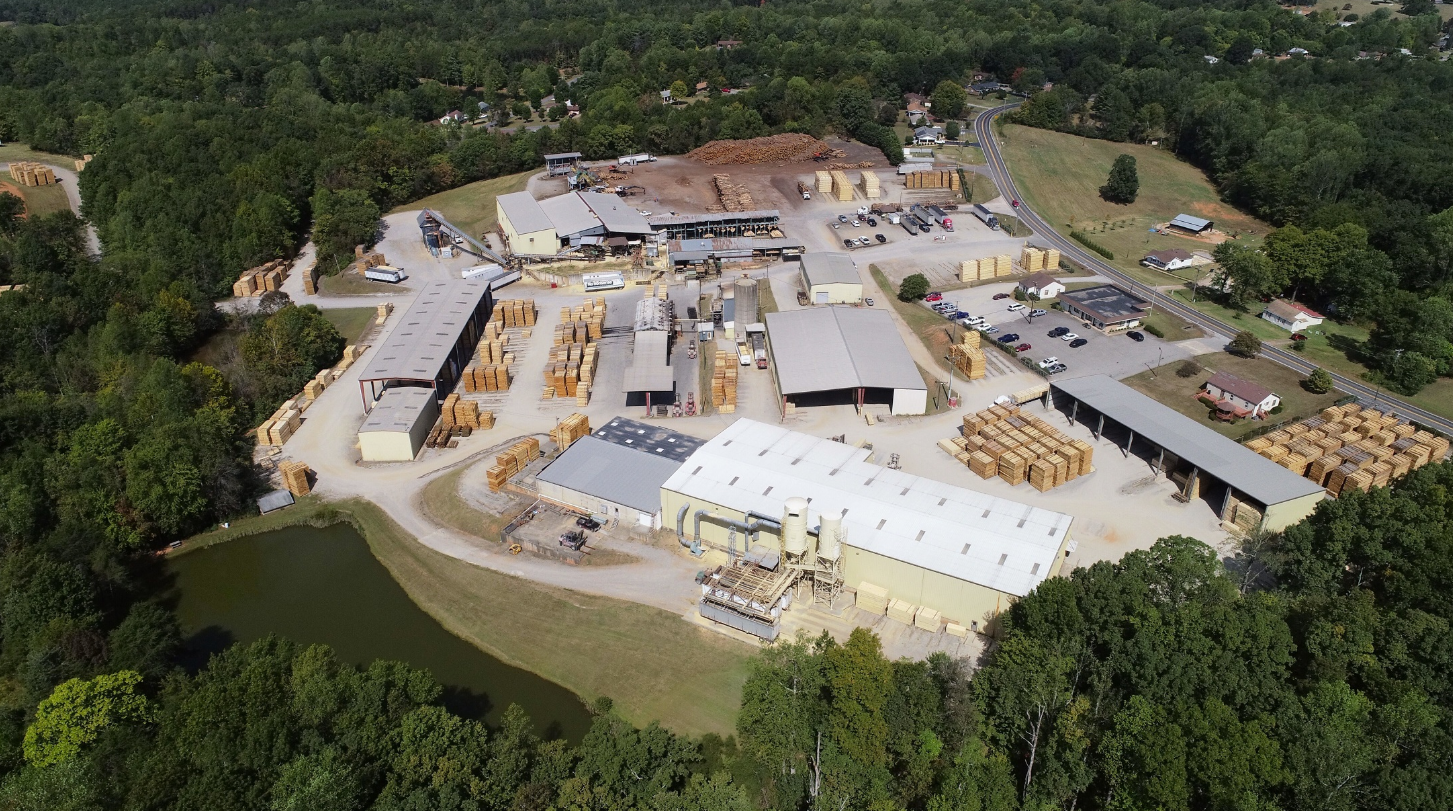

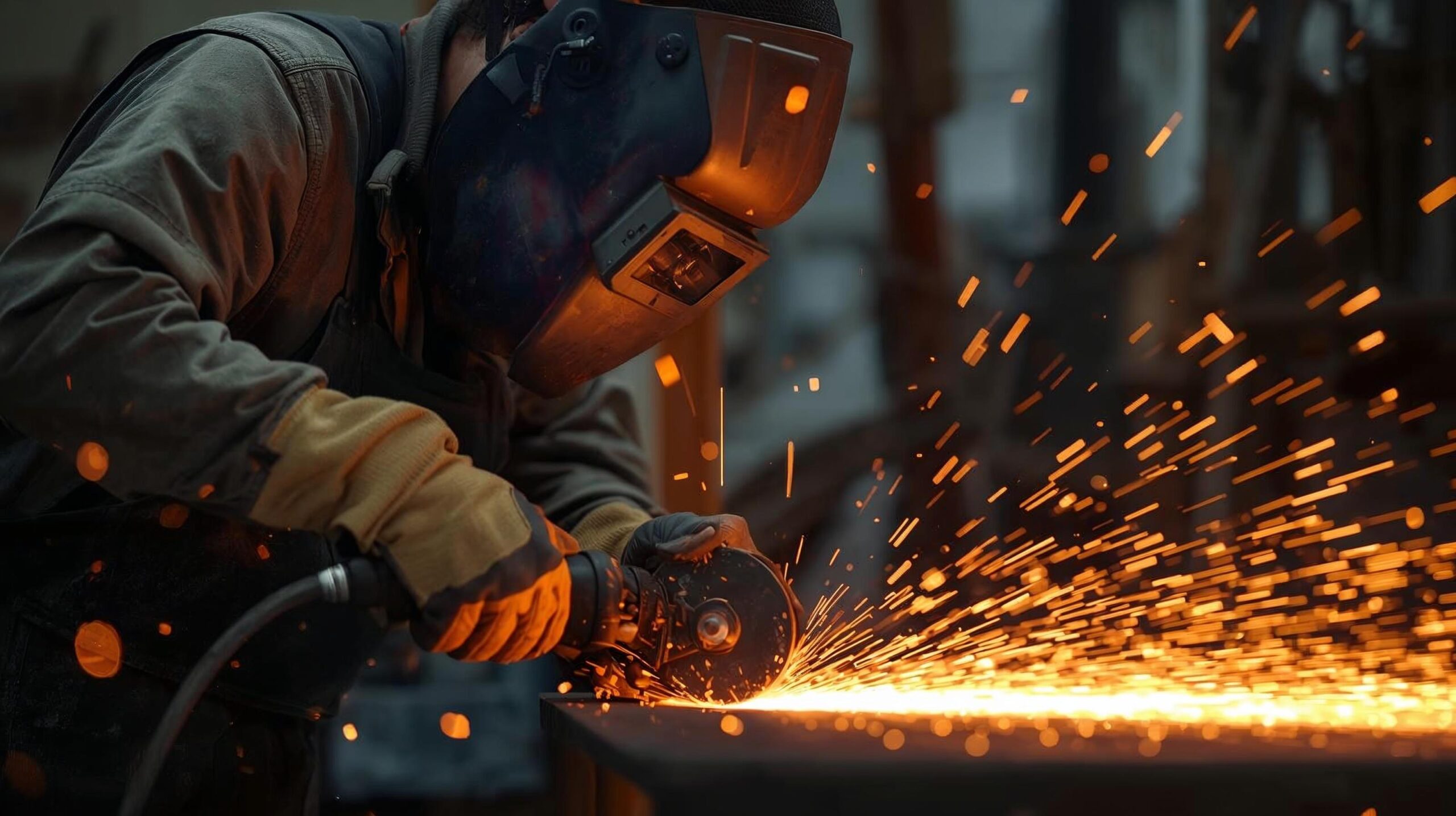
Metal fabrication has long been a cornerstone of American industry. From the steel structures that support our cities to precision components used across aerospace, defense, and automotive supply chains, fabricators form the backbone of U.S. manufacturing.
Today, however, many fabricators are navigating a more complex operating environment. Rising capital costs, workforce shortages, global competition, and growing pressure to invest in automation and sustainability are reshaping the sector. For small and mid-sized firms in particular, access to affordable capital has become one of the most significant barriers to growth.
The Financing Challenge Facing Fabricators
Fabrication is inherently capital-intensive. New facilities, laser-cutting systems, robotic welding lines, and advanced machining equipment require substantial upfront investment. While traditional lenders may support a portion of these costs, many manufacturers struggle to fully close the financing gap—especially when projects are located in rural or historically disinvested communities.
This is where federal policy can play a catalytic role.
What Are New Markets Tax Credits?
The New Markets Tax Credit (NMTC) program was established by Congress in 2000 to encourage private investment in low-income communities. Through the program, investors receive a federal tax credit in exchange for making qualified equity investments in projects that deliver measurable community benefits.
For manufacturing projects, NMTC financing can significantly reduce the overall cost of capital—often by the equivalent of 15–20% of project costs, depending on structure. In many cases, that subsidy is the difference between delaying an expansion and moving forward with construction.
Just as importantly, the program aligns private investment with public priorities: job creation, workforce development, and long-term economic growth in underserved regions.
Why Fabricators Are a Strong Fit
Fabricators are particularly well-suited to the NMTC program for several reasons:
-
Capital Intensity
Manufacturing expansions require substantial investments in real estate and equipment. NMTC financing helps offset these upfront costs and improves project feasibility. -
Job Creation and Quality Employment
Fabrication facilities often create dozens—or hundreds—of skilled jobs. These positions frequently pay living wages, offer benefits, and are accessible to workers without four-year degrees, aligning closely with NMTC priorities. -
Geographic Alignment
Many fabrication operations are located in rural areas or legacy industrial corridors that meet NMTC eligibility criteria. -
Broader Community Impact
Beyond direct employment, fabricators support local supplier networks, workforce training partnerships, and municipal tax bases.
How NMTC Financing Works in Practice
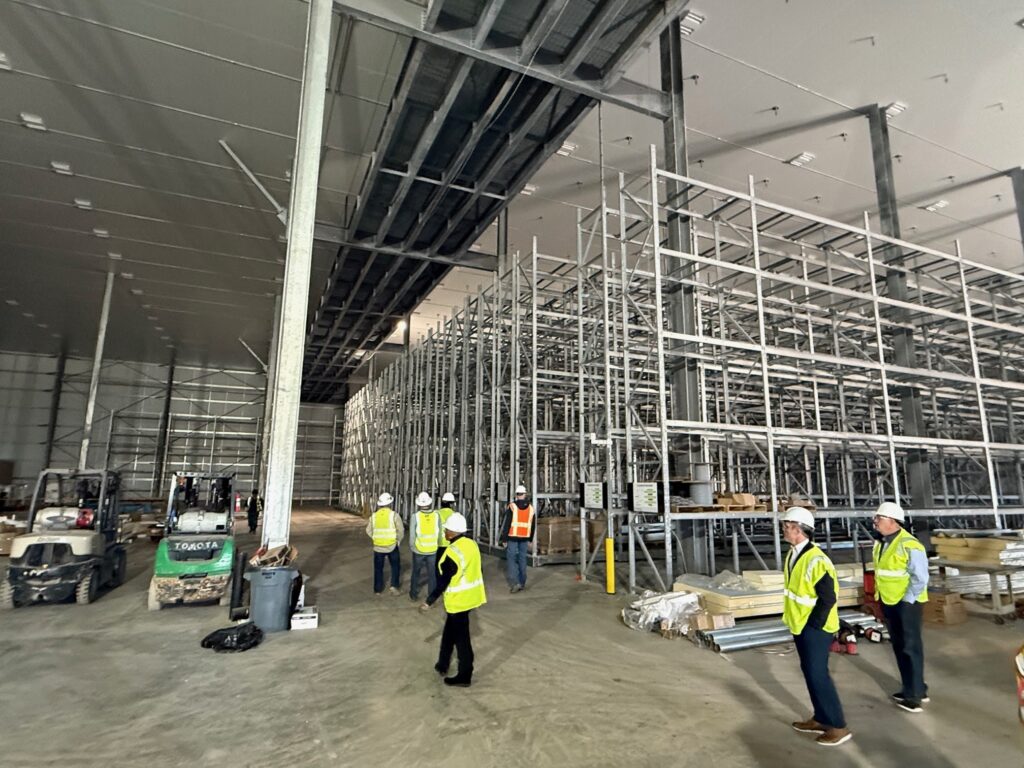
Consider a regional fabricator planning a $14 million expansion to construct a new structural steel facility and add a dedicated training center for welders and machinists. Traditional debt and equity cover roughly 80% of the project cost, leaving a gap that conventional financing cannot fill.
By partnering with a Community Development Entity (CDE) that has NMTC allocation, the project receives an upfront subsidy that helps close that gap.
The result: the company proceeds with the expansion, hires 75 new employees across production and quality roles, and launches an apprenticeship program in partnership with a local technical college. The surrounding community benefits not only from new jobs, but from expanded career pathways and long-term economic stability.
The $10B Allocation Round: What It Means for Fabricators
The upcoming $10 billion NMTC allocation round represents one of the largest single-year commitments in the program’s 25-year history. For fabricators, this scale matters:
-
Increased Availability
More allocation means more CDEs actively seeking qualified manufacturing projects. -
Strong Manufacturing Track Record
In recent allocation rounds, manufacturing projects—particularly those tied to supply chain resilience, automation, and domestic production—have performed well. -
Advantage for Investment-Ready Projects
Fabricators with site control, preliminary financing, and construction plans already in place will be best positioned to compete for allocation.
Key Considerations for Fabricators
Fabricators exploring NMTC financing should keep several factors in mind:
-
Location Eligibility
Projects must be located in qualifying census tracts based on income or poverty thresholds. Early mapping and eligibility analysis are critical. -
Competitive Timing
Even with expanded allocation, demand continues to exceed supply. Early engagement with experienced partners improves competitiveness. -
Impact Metrics
Job creation, wage levels, training programs, and broader economic impact are central to allocation decisions. -
Compliance Requirements
NMTC projects must remain in compliance for a seven-year period, including ongoing reporting on jobs and outcomes. -
Specialized Partnerships
Most fabricators work with advisors and CDEs that specialize in structuring NMTC transactions.
The Bigger Picture
The U.S. manufacturing sector is undergoing a renewed focus on reshoring, supply chain resilience, and advanced production technologies. For metal fabricators, this moment presents both challenge and opportunity.
The New Markets Tax Credit program is not a grant, nor a one-size-fits-all solution. What it offers is a proven, market-based mechanism to bridge financing gaps for projects that deliver meaningful community impact. For fabricators, NMTCs can be the critical piece that turns expansion plans into reality.
Conclusion
The story of metal fabrication is one of resilience, ingenuity, and economic impact. As the industry looks ahead, access to affordable capital will be just as important as innovation on the shop floor.
With a $10 billion NMTC allocation round on the horizon, now is the time for fabricators to assess eligibility, engage experienced partners, and position projects to be investment ready. Done right, NMTC financing can help ensure that fabricators continue to power American manufacturing—and the communities that depend on it—for generations to come.